How to Repair a Damaged Skin Barrier

Your skin barrier is your skin’s first line of defence. When healthy, it keeps moisture in and irritants out, leaving your skin feeling comfortable, balanced, and glowing. But when the skin barrier becomes damaged, it can lead to dryness, irritation, breakouts, redness, sensitivity, and that tight, uncomfortable feeling many people struggle with.
The good news is that with the right approach, your skin barrier can recover.
What is the Skin Barrier?
The skin barrier, also known as the moisture barrier, is the outermost layer of your skin. Think of it like a protective shield made up of skin cells and natural lipids (fats) that work together to keep your skin healthy and hydrated.
When the barrier is compromised, moisture escapes more easily, and irritants can penetrate the skin, leading to inflammation and sensitivity.
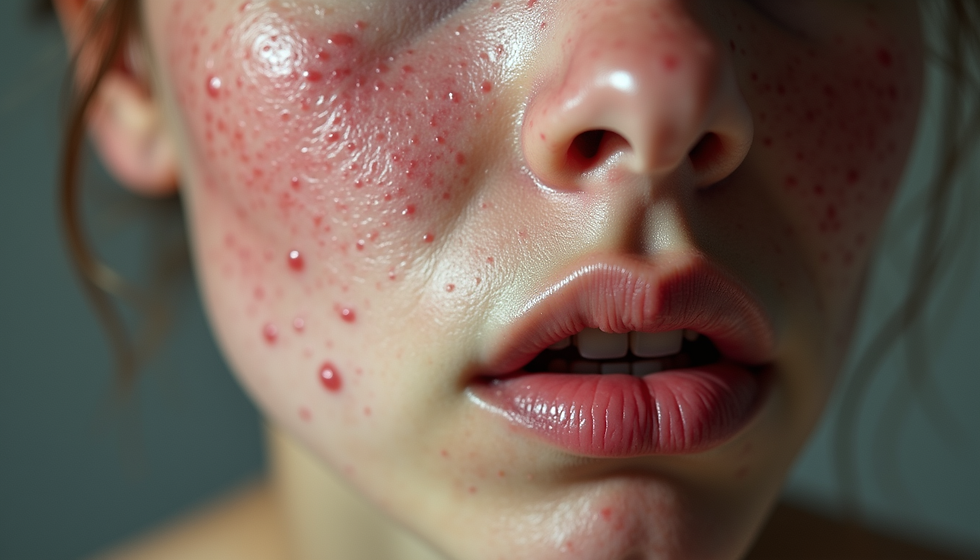
Signs your skin barrier may be damaged
Some common signs include:
Redness or irritation
Tightness after cleansing
Dry, flaky, or rough skin
Burning or stinging when applying products
Increased sensitivity
Breakouts or congestion
Skin that suddenly reacts to products it previously tolerated
Dehydrated, dull-looking skin
What causes a damaged skin barrier?
There are several factors that can weaken the skin barrier, including:
Over-Exfoliation
Using too many acids, scrubs, or active ingredients too frequently can strip the skin and disrupt its natural balance.
Harsh Skincare Products
Foaming cleansers, strong alcohol-based products, or overly aggressive treatments can compromise the barrier over time.
Overuse of Active Ingredients
Retinol, AHAs, BHAs, benzoyl peroxide, and vitamin C can all be beneficial, but using too many at once can overwhelm the skin.
Environmental Stress
Cold weather, central heating, UV exposure, pollution, and air conditioning can all contribute to barrier damage.
Stress & Lifestyle Factors
Lack of sleep, dehydration, poor nutrition, and stress can also affect overall skin health.
How to repair a damaged skin barrier
Healing the skin barrier takes patience and consistency. The goal is to reduce inflammation, restore hydration, and support the skin while it repairs itself.
1. Simplify Your Routine
When your skin barrier is damaged, less is more.
Temporarily stop using:
Exfoliating acids
Retinol or retinoids
Scrubs
Strong active ingredients
Harsh acne treatments
Focus instead on a simple, calming routine.
2. Use a Gentle Cleanser
Choose a non-stripping cleanser that cleans the skin without leaving it feeling tight or dry.
Look for:
Cream or gel cleansers
Fragrance-free formulas
Hydrating ingredients
Avoid cleansers that leave your skin squeaky clean, as this is often a sign the barrier is being stripped.
3. Prioritise Hydration
Hydration is essential for barrier repair.
Ingredients that help include:
Hyaluronic acid
Glycerin
Panthenol
Aloe vera
These ingredients help attract and retain moisture in the skin.
4. Rebuild the Barrier With Nourishing Ingredients
Your skin barrier needs lipids and soothing ingredients to repair itself.
Look for products containing:
Ceramides
Fatty acids
Cholesterol
Squalane
Oat extract
Centella asiatica
Niacinamide
These ingredients help strengthen the skin barrier and reduce inflammation.
5. Avoid Over-Exfoliating
Exfoliation can be beneficial when used correctly, but overdoing it is one of the most common causes of barrier damage.
If your skin is irritated or sensitive, avoid exfoliating until your skin feels healthy again.
Once repaired, reintroduce exfoliation slowly — usually no more than 1–2 times per week depending on your skin type.
6. Wear SPF Daily
UV exposure can worsen inflammation and slow down the healing process.
Using a broad-spectrum SPF daily helps protect the skin while the barrier repairs itself.
Even on cloudy days, SPF is essential.
7. Give Your Skin Time
One of the biggest mistakes people make is constantly switching products or trying to ‘fix’ the skin too quickly.
Barrier repair takes time. Depending on the level of damage, it can take anywhere from a few weeks to a few months for the skin to fully recover.
Consistency is key.
Treatments That Can Help Support Barrier Repair
Professional treatments can also help calm inflammation and support the skin while avoiding overly aggressive procedures.
Some beneficial treatments may include:
Hydrating facials
LED light therapy
Barrier repair facials
Skin-soothing treatments focused on hydration and repair
Avoid harsh peels or intensive resurfacing treatments until the skin barrier is healthy again.
Final Thoughts
A damaged skin barrier can be frustrating, but with the right skincare routine and a gentle approach, your skin can recover.
Focus on hydration, barrier-supporting ingredients, and simplifying your routine while avoiding the temptation to over-treat the skin.
Healthy skin is not about using the most products it’s about supporting your skin so it can function properly.
If you’re struggling with ongoing sensitivity, irritation, or breakouts, professional advice can help identify what’s causing the damage and create a personalised treatment plan for your skin.
Comments